admin
admin 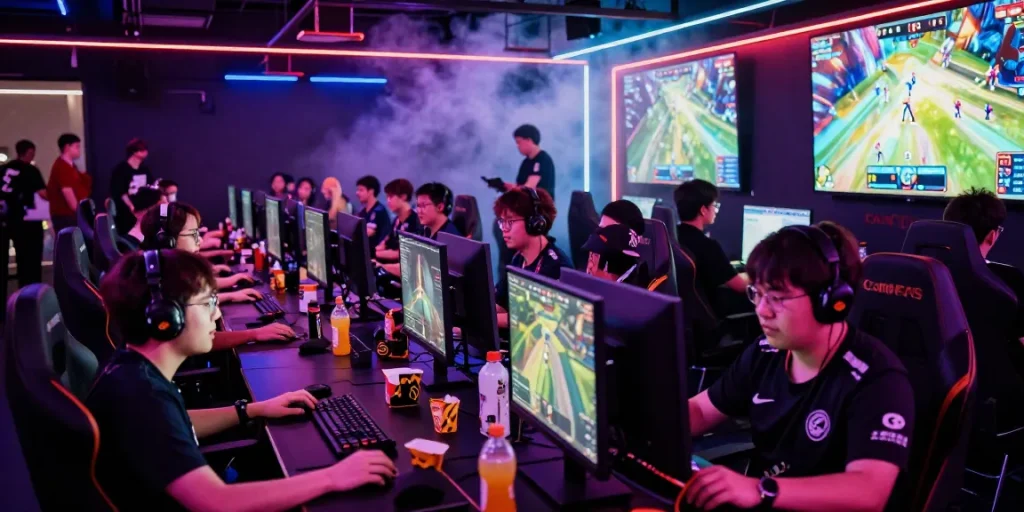
Understanding the Esports Landscape in 2026
As we look ahead to 2026, the esports industry has solidified itself as a cultural juggernaut, influencing everything from entertainment to education. Esports is not just about playing video games; it’s a competitive arena where millions gather to watch skilled players showcase their talents in various popular titles. With an expected global audience surpassing 600 million, the landscape of esports is continually evolving, creating new opportunities and challenges for gamers, developers, and investors alike. When exploring options, https://rokok88.sutra69.org provides comprehensive insights into this dynamic world.
What is Esports and Its Rise in Popularity?
Esports, or electronic sports, refers to organized, multiplayer video game competitions, particularly between professional players. The rise in popularity can be attributed to several factors, including the growth of online streaming platforms like Twitch and YouTube, which allow fans to watch live gameplay and tournaments. Major events fill stadiums, drawing in massive crowds, while sponsorships and advertising revenue continue to surge, elevating esports to a level akin to traditional sports.
Various titles such as League of Legends, Dota 2, and Fortnite have become household names, showcasing the skill and dedication of their players. The involvement of traditional sports teams and celebrities further validates esports’ place in contemporary culture. Companies are investing heavily in the industry, leading to the establishment of professional leagues and teams, all contributing to its rapid growth and widespread acceptance.
Key Players and Teams to Follow
As the esports landscape matures, certain players and teams have distinguished themselves as leaders in the industry. Familiar names such as Team Liquid, Fnatic, and Cloud9 not only have a substantial following but also boast impressive track records in various competitive games. Individual players like Faker, s1mple, and Bugha have garnered acclaim for their extraordinary skills and are considered ambassadors for the esports community.
Following these key players and teams can provide insights into the current state of competitive gaming. Additionally, keeping an eye on emerging organizations allows fans and aspiring gamers to understand the dynamics of success in esports. Teams often have training regimens and player development strategies that can offer valuable lessons to up-and-coming players.
Industry Trends Influencing the Future of Gaming
The esports industry is influenced by a plethora of emerging trends that shape its future. One notable trend is the increasing integration of virtual reality (VR) and augmented reality (AR) technologies, enhancing gameplay experiences and audience engagement. These technologies promise to revolutionize how gamers and fans interact with the gaming environment.
Another trend is the focus on inclusivity and diversity within the esports realm, as organizations strive to create opportunities for underrepresented groups. Initiatives promoting gender equality in gaming are gaining traction, with female players gaining recognition and support.
Building Your Skills as a Competitive Gamer
To excel in esports, aspiring gamers must cultivate a range of skills and develop a structured training approach. Success in this competitive field is not solely reliant on talent; it requires dedication, discipline, and continuous improvement.
Essential Skills Every Gamer Should Develop
Competitive gaming demands a unique blend of skills. Some essential skills include:
- Mechanical Skills: These skills refer to the technical abilities required to operate the game effectively, including precision aiming, quick reflexes, and efficient resource management.
- Strategic Thinking: Understanding game mechanics and strategizing accordingly is crucial. Players must analyze their opponents and develop tactics to gain an advantage.
- Team Coordination: Most esports games require teamwork. Effective communication and collaboration with team members are vital for success.
- Adaptability: The ability to adjust strategies based on the game’s dynamics and opponent’s behavior is a key component of competitive gaming.
The Importance of Training Routines
Establishing a consistent training routine can significantly enhance a player’s performance. Training should encompass both individual practice and team drills. Gamers should focus on various aspects such as mechanics, tactics, and physical fitness. Regular analysis of replay footage can also help identify areas for improvement.
In addition to gameplay practice, mental conditioning plays a pivotal role. Techniques such as visualization and meditation can improve focus and reduce performance anxiety, essential for competing at high levels.
Tools and Resources for Skill Improvement
A wealth of resources is available for gamers seeking to sharpen their skills. Online platforms offer tutorials, coaching, and practice tools designed to assist players at any level. Engaging with communities on forums or social media can provide valuable insights and tips from experienced gamers.
Moreover, utilizing software for tracking performance metrics can help gamers analyze their gameplay and identify weaknesses, leading to more focused training sessions. Collaborating with coaches or mentors can also expedite skill development and provide personalized feedback.
Choosing the Right Gear for Success
In the competitive world of esports, having the right gear can make a significant difference in performance. The selection of gaming equipment is critical for both comfort and efficiency during gameplay.
Top Gaming Equipment and Accessories
Investing in quality gear is essential for competitive gamers. Key components include:
- Gaming Mouse: A high-precision mouse with customizable buttons can enhance gameplay efficiency.
- Mechanical Keyboard: A responsive keyboard allows for quicker inputs and improved reaction times.
- High-Refresh-Rate Monitor: Monitors with high refresh rates reduce motion blur and improve visual clarity, providing an advantage during fast-paced gameplay.
- Headset: A good headset is crucial for communication and audio clarity, playing a significant role in team coordination.
Understanding Gaming Hardware and Software
Beyond accessories, understanding the underlying hardware and software is crucial. Gamers should be aware of their PC specifications, ensuring they have the necessary processing power and graphics capabilities to run games at optimal settings. Overclocking components can enhance performance, but it requires a careful approach to avoid hardware damage.
Software tools such as game launchers and overlays can enhance gameplay experiences by providing real-time statistics and performance metrics. Familiarity with these tools can provide gamers with a competitive edge.
How to Customize Your Setup for Performance
Customizing your gaming setup goes beyond aesthetics; it can greatly influence performance. Adjusting monitor settings, fine-tuning sensitivity settings on mouse and keyboard, and organizing your workspace can create an efficient gaming environment. Ergonomics also play a crucial role; a comfortable chair and desk setup can prevent fatigue during long gaming sessions.
How to Get Involved in the Esports Community
Becoming an active participant in the esports community can offer numerous benefits, such as networking opportunities and exposure to events and competitions.
Joining Teams and Finding Competitions
For aspiring professional gamers, joining a team can be a gateway to competitive play. Many online platforms facilitate team formations and recruitment. Players should actively seek out competitions, both online and offline, to gain experience and showcase their skills.
Participating in local tournaments can help build a reputation and expand one’s network within the gaming community, leading to potential sponsorship opportunities or team placements.
Networking with Other Gamers
Building connections with other gamers is vital in the esports ecosystem. Engaging with fellow players, attending gaming conventions, and participating in forums can create valuable relationships. Networking can lead to collaborative opportunities, mentoring, or even recruitment into teams.
Leveraging Social Media for Exposure
In today’s digital age, social media platforms serve as powerful tools for gamers to build their brand and showcase their skills. Streaming gameplay on platforms like Twitch or sharing highlight reels on social media can attract attention from potential sponsors and teams. Maintaining a professional online presence can enhance visibility and credibility in the gaming world.
Future Predictions for Esports Beyond 2026
The esports industry is poised for continued growth and transformation beyond 2026. Several predictive trends are emerging that could shape the future landscape of competitive gaming.
Innovative Technologies Changing the Game
As technology advances, esports will likely see the integration of AI and machine learning to analyze gameplay strategies and enhance player training. These innovations can offer personalized insights that improve player performance and strategy development.
Furthermore, advancements in streaming technology are expected to enhance viewer experiences, potentially increasing engagement and audience numbers in future tournaments.
Potential Regulatory Changes Impacting Players
With the growth of esports, regulatory scrutiny is expected to increase. Potential changes in laws regarding player contracts, sponsorships, and online gambling could impact how the industry operates. Players and organizations must stay informed about evolving regulations to ensure compliance and protect their interests.
Emerging Trends to Watch in the Esports Industry
As the esports industry evolves, several emerging trends are worth monitoring. The rise of mobile esports is gaining traction, with competitive mobile games attracting significant audiences and participation. Additionally, the incorporation of blockchain technology in esports could revolutionize aspects like player contracts and in-game transactions, providing transparency and security.
Furthermore, the growing interest in educational initiatives surrounding esports is noteworthy. As the industry matures, academic programs focusing on game design, development, and esports management are becoming increasingly common, providing career opportunities for those interested in the business side of gaming.
What are the key skills needed for esports competition?
Key skills for esports competition include mechanical skills, strategic thinking, team coordination, and adaptability. Each player must hone these skills through practice and experience to succeed in competitive settings.
How can I join an esports team?
Joining an esports team can be achieved by actively participating in online communities, seeking out recruitment opportunities, and engaging in tournaments to showcase your skills.
What equipment should I invest in for gaming?
Essential gaming equipment includes a high-quality mouse, mechanical keyboard, high-refresh-rate monitor, and a good headset to enhance performance and comfort during gameplay.
How is the esports industry evolving?
The esports industry is evolving through technological advancements, increased sponsorship opportunities, and a focus on inclusivity, creating a more diverse landscape for gamers and stakeholders.
What career opportunities exist in esports?
Career opportunities in esports extend beyond professional gaming to include roles in game development, event management, marketing, and coaching, offering a variety of pathways for enthusiasts to explore.