Understanding the Benefits of Coloring for Stress Relief
In a world where anxiety and stress are increasingly common, individuals are constantly seeking effective coping mechanisms. One surprising yet powerful tool in the journey toward improved mental health is coloring. The practice of coloring, often thought of as a childhood pastime, is gaining recognition among adults as a legitimate method for Coloring for stress relief. This article delves into the multifaceted benefits of coloring, showcasing why it works, how it compares to other relaxation techniques, and what psychological effects it has on the mind.
Why Coloring Works as a Stress Reliever
Coloring engages both the creative and analytical sides of the brain, allowing for a unique form of expression that can distract from negative thoughts. The repetitive motions of coloring can induce a meditative state, helping individuals to focus on the present moment. This practice reduces stress and anxiety levels by offering a mental escape and flood of creativity.
The Psychological Effects of Coloring
Research has shown that engaging in creative activities such as coloring can significantly decrease stress and anxiety levels. A study conducted by the University of the West of England found that participants who colored for just 20 minutes displayed lower anxiety levels compared to a control group who engaged in a non-creative task. This reduction in anxiety is likely due to the calming effect of focusing on color and design, which allows the brain to enter a state of relaxation.
Coloring vs. Other Relaxation Techniques
While yoga and meditation are widely recognized as effective relaxation techniques, coloring offers a unique alternative that is both accessible and enjoyable. Unlike meditation, which can be challenging for some due to the need for stillness, coloring allows for motion and creativity while still promoting mindfulness. Additionally, coloring can be easily integrated into daily routines without the need for extensive training or preparation, making it an appealing option for many.
Choosing the Right Coloring Materials
To maximize the benefits of coloring, selecting the right materials is essential. From coloring books to tools, the quality and type of supplies can greatly influence the experience and outcome of the practice.
Types of Coloring Books for Stress Relief
There are a plethora of coloring books available catering to different preferences and stress-relief needs. Intricate designs, mandalas, and nature scenes are popular choices that encourage mindfulness and focus. Additionally, books featuring positive affirmations or inspirational themes can enhance emotional well-being as individuals color in their chosen designs.
Essential Coloring Tools and Their Benefits
When it comes to coloring tools, the options are vast. Colored pencils, markers, and gel pens each offer different experiences. Colored pencils are often favored for their control and ease of blending, while markers provide vibrant colors that can make a design pop. Understanding the benefits of each type can help individuals choose the tools that best complement their personal coloring style.
Why Quality Matters in Coloring Supplies
Investing in high-quality coloring supplies can lead to a more fulfilling and enjoyable experience. Quality tools allow for smoother application, richer colors, and reduced frustration, making it easier to engage in the therapeutic aspects of coloring. Furthermore, better materials can enhance the overall satisfaction derived from the finished piece, contributing to a sense of accomplishment.
Creating a Calming Environment for Coloring
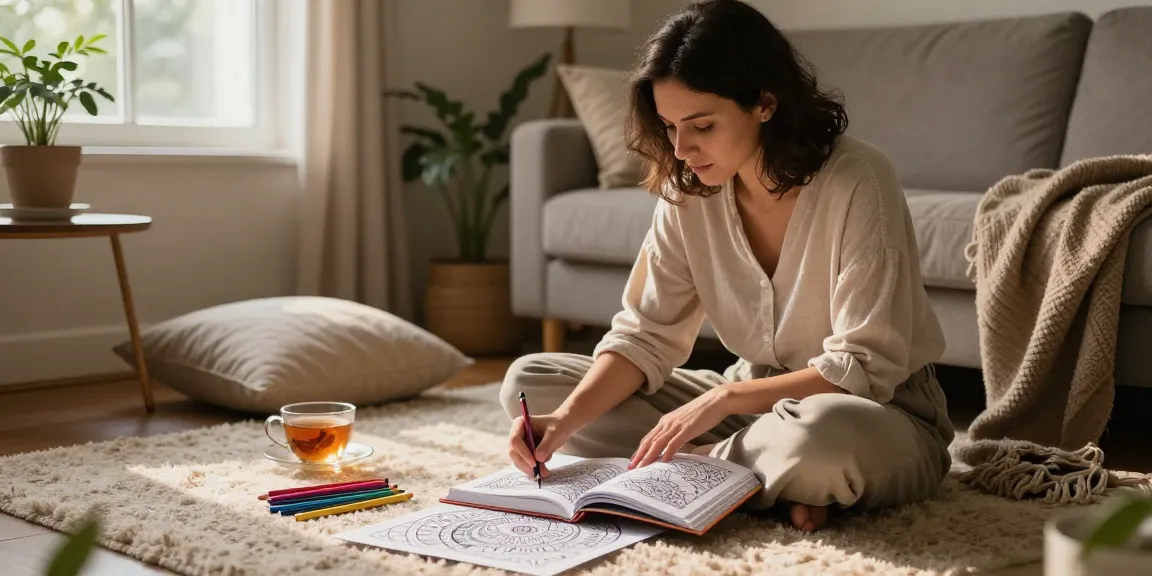
To truly reap the stress-relief benefits of coloring, creating a calming and inviting space is crucial. The environment can significantly influence one's ability to relax and focus. Here are some tips to enhance your coloring experience.
Tips for Setting Up Your Coloring Space
- Choose a quiet and comfortable area free from distractions.
- Ensure adequate lighting, preferably natural light, to avoid straining your eyes.
- Keep your coloring supplies organized and within reach to avoid interruptions.
- Add personal touches such as favorite decor, plants, or inspirational quotes to make the space feel welcoming.
Incorporating Mindfulness into Your Coloring Routine
Mindfulness is about being present and fully engaged in the moment. To integrate mindfulness into your coloring routine, take deep breaths before starting and focus on each stroke, allowing your mind to quiet and center on the colors and patterns.
The Role of Sound and Scent in Creating Atmosphere
Enhancing your coloring experience can also be achieved through sensory stimulation. Playing soft music or audio tracks specifically designed for relaxation can create a soothing background. Additionally, incorporating calming scents, such as lavender or eucalyptus, can further promote a relaxed state of mind.
Color Psychology and Its Role in Stress Relief
Understanding color psychology can deepen the benefits of coloring for stress relief. Different colors evoke various emotions and can be intentionally chosen to promote specific feelings or states of mind.
How Different Colors Affect Mood
Colors like blue are often associated with calmness and tranquility, while warm colors such as yellow can inspire happiness and energy. By selecting colors that resonate with the desired emotional outcome, individuals can tailor their coloring experience to better suit their needs for relaxation and stress relief.
Choosing Color Palettes for Relaxation
When selecting color palettes, consider using soft hues and complementary colors that create harmony. Earthy tones and pastels are generally more soothing and can enhance relaxation during the coloring process.
Experimenting with Color to Enhance Creativity
While certain colors can provide calmness, others can stimulate creativity. Allowing oneself the freedom to experiment with various color combinations and techniques can lead to unexpected discoveries and a deeper connection to the artwork. This exploration can also serve as a form of self-expression, fostering personal insights and emotional release.
Future Trends in Coloring for Stress Relief
As we progress further into the digital age, the future of coloring for stress relief holds exciting possibilities. Innovations in tools and techniques are on the horizon, which may change how we approach this calming practice.
Innovative Tools and Techniques for 2026
Emerging technologies such as augmented reality (AR) coloring apps are set to revolutionize the coloring experience. These applications can guide users in creating elaborate designs while maintaining the therapeutic aspects of coloring. Tools that integrate art therapy techniques may also gain traction, combining traditional methods with modern psychological approaches.
How Technology is Changing the Coloring Experience
Digital coloring books are becoming increasingly popular, allowing for limitless designs and the convenience of carrying coloring tools on portable devices. This accessibility can make coloring more appealing to busy individuals who still seek relaxation options.
Predictions for Coloring as a Stress Management Tool
As society continues to prioritize mental well-being, the integration of coloring as a mainstream stress management tool is likely to increase. Workshops, community events, and online platforms that promote collective coloring experiences may further enhance the practice's reach, allowing individuals to share their progress and uplift one another.
What are the best coloring techniques for reducing stress?
Some effective coloring techniques include using shading to create depth, experimenting with patterns, and allowing for spontaneous creativity. These methods can enhance focus and emotional release, contributing to overall stress relief.
Can coloring really help with anxiety and mental health?
Yes, numerous psychological studies have indicated that coloring can significantly reduce anxiety and promote mental well-being. Coloring serves as a form of art therapy, providing a safe outlet for self-expression and emotional exploration.
What types of coloring books are most effective for stress relief?
Books that feature intricate designs, mandalas, inspirational themes, or positive affirmations are particularly effective for stress relief. They encourage mindfulness and engagement, making them ideal for those looking to manage anxiety through coloring.
How often should I practice coloring for stress relief?
To maximize the benefits, it is recommended to incorporate coloring into your routine a few times a week. Even short sessions of 15-30 minutes can significantly impact stress levels and improve overall mood.
Are there any scientific studies supporting coloring as a stress-relief method?
Yes, several studies have established the therapeutic effects of coloring. The aforementioned study by the University of the West of England is just one example, indicating that regular coloring can lower anxiety and improve emotional health.