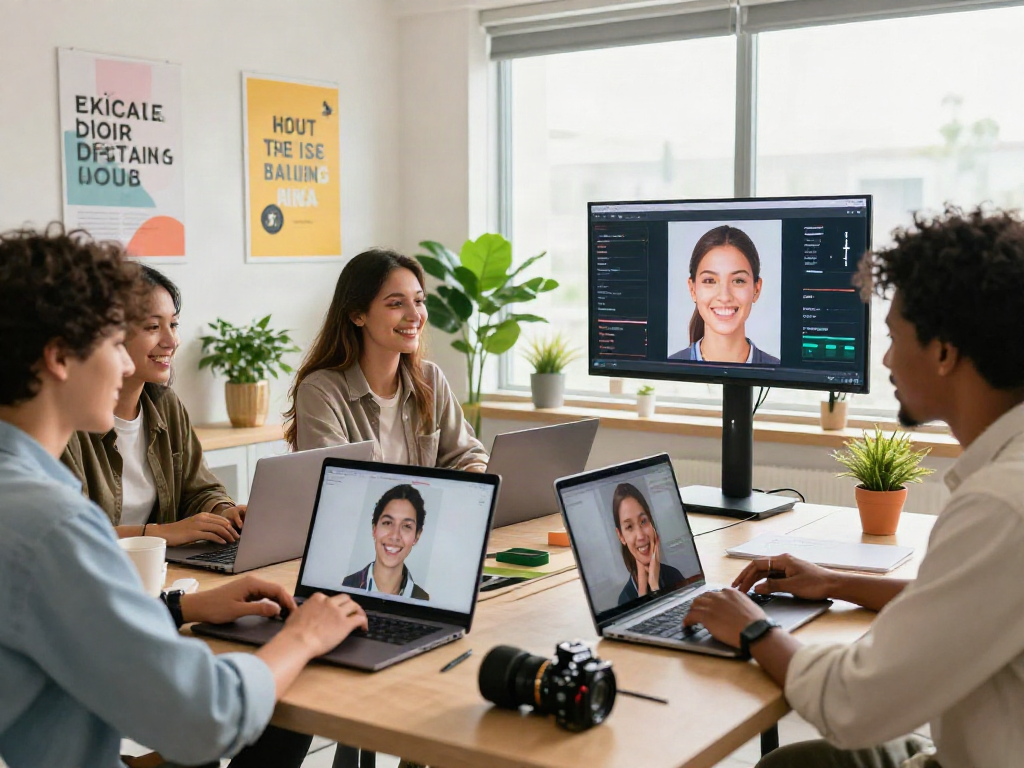
Understanding Age Estimation Technology
In a world increasingly driven by technology, the curiosity around our perceived age versus our actual age has led many to explore age estimation tools. These innovative applications leverage sophisticated algorithms and artificial intelligence to provide users with insights into how old they appear based on their facial features. For those interested in determining how old do I look, these tools can provide a fast, fun, and surprisingly insightful glimpse into public perceptions of aging.
What is Facial Age Estimation?
Facial age estimation refers to the process of assessing a person’s biological age through facial imagery. The technology analyzes various markers such as wrinkles, skin texture, and other facial features to gauge perceived age. Unlike traditional methods of age determination, which often rely on verbal self-reporting or medical assessments, these digital tools offer a rapid and visual approach. They operate on the premise that our facial features change in identifiable ways over time, allowing algorithms to categorize and predict age with varying degrees of accuracy.
How Does AI Analyze Facial Features?
Artificial intelligence plays a crucial role in age estimation by employing machine learning algorithms trained on vast datasets of facial images. These algorithms learn to recognize patterns associated with different age groups. For instance, the presence of fine lines, sagging skin, and pigmentation changes are all factors that AI systems can detect. Through deep learning techniques, these models become adept at not only estimating age but also adapting to recognize variations across different ethnicities and individuals.
Key Benefits of Using Age Estimation Apps
- Speed and Convenience: Users can receive immediate results, making these applications particularly appealing for social media users who wish to engage with their audience.
- Fun Factor: Many view these tools as a fun way to interact with friends or even to participate in viral challenges.
- Self-Reflection: Beyond entertainment, these apps can prompt users to consider their skincare and health habits, leading to improved self-care routines.
- Privacy-Focused: Many solutions prioritize user privacy, ensuring that images are processed securely without storing personal data.
The Popularity of Age Estimation Tools
Age estimation tools have seen a surge in popularity, particularly with the rise of social media platforms where users frequently share photos and engage with interactive content. Many individuals are keen to explore their visual identity and how they age in the eyes of others. When exploring options, how old do I look provides comprehensive insights into this phenomenon, reflecting the cultural fascination with age perception.
Why Are People Curious About Their Age Perception?
This curiosity stems from various societal influences, including beauty standards that often equate youth with desirability. Age estimation apps serve as a modern reflection of age-related anxieties while also highlighting a shift towards self-improvement and self-awareness. By providing a tangible metric, users can assess how societal beauty standards align with their personal perceptions.
Social Media Influence on Age Estimation Trends
Social media has become a breeding ground for trends, and the curiosity surrounding age perception is no exception. Challenges that encourage users to share their age estimates or compare results among friends foster engagement and virality. Influencers and content creators often leverage these tools to produce relatable content, further driving interest in age estimation technologies.
Comparing Popular Apps: What Works Best?
Several applications have emerged in the age estimation space, offering varying features and accuracies. Key players include:
- FaceAge.ai: An AI-powered solution praised for its accuracy and user privacy.
- Fotor: Known for its user-friendly interface and rapid analysis, appealing to casual users.
- BeautyPlus: This app combines age estimation with augmented reality features, enabling fun and interactive user experiences.
Each app has its strengths, catering to different needs and preferences, encouraging users to try several to find their favorite.
How to Use Age Estimation Tools Effectively
To maximize the usefulness of age estimation apps, users can follow a simple guide to ensure they get accurate and meaningful results.
Step-by-Step Guide to Uploading a Photo
- Select a Clear Image: Choose a well-lit, recent photo where your face is clearly visible.
- Follow App Instructions: Each application will have specific guidelines for uploading and processing images.
- Privacy Settings: Always check app privacy settings to ensure your data is handled securely.
Interpreting Results: Understanding Age Predictions
The age predictions provided by these apps are not definite but rather statistical estimates based on facial features. Users should remember that individual aging experiences can vary significantly due to genetics, lifestyle, and environmental factors. Hence, it's essential to take these results with a grain of salt and as a conversation starter rather than a definitive measure of one's age.
Common Pitfalls to Avoid When Using Apps
- Overly Serious Interpretation: Avoid treating the age estimates as absolute truths.
- Ignoring App Updates: Ensure to keep the app updated to benefit from improved algorithms.
- Neglecting Privacy: Be vigilant about the permissions you grant to these apps, especially if they require camera access or photo storage.
Debunking Myths Around Age Estimation
Despite their popularity, age estimation apps often face skepticism regarding their accuracy and reliability.
Are Age Estimation Apps Accurate?
While many apps claim high accuracy rates, variability exists depending on the algorithm used and the quality of the image uploaded. Research indicates that while averages may hold true, individual results can widely differ.
Overcoming Skepticism: Scientific Backing
Many apps utilize algorithms grounded in significant research on facial aging, including studies that outline how facial structure changes with age. These scientific underpinnings lend credibility to the results, though ongoing validation remains necessary.
Common Misconceptions About AI and Aging
Some users may believe that AI can predict not just perceived age but future aging patterns, which is misleading. Most AI applications are designed to analyze static images rather than predict dynamic aging processes influenced by lifestyle choices.
The Future of Age Estimation Technology
As technology continues to evolve, so too does the potential for age estimation tools to become more accurate and user-friendly. Innovations in AI, machine learning, and imaging technology promise to enhance these applications significantly.
Emerging Trends in Age Prediction Technologies
Trends on the horizon include enhanced integration with social media platforms, offering real-time age estimation during video calls or live streaming. Additionally, advancements in ethical AI may lead to more inclusive models that account for a broader diversity of facial features.
2026 Projections for AI and Facial Recognition
By 2026, we can expect further refinement in accuracy and user engagement, with applications providing not just age estimation but also insights into health and wellness based on facial analysis. These emerging technologies hold the promise of personalizing user experiences in unprecedented ways.
Bridging Technology with Personal Insights: What Lies Ahead?
Future developments may also focus on integrating these tools with health tracking applications, allowing users to visualize how age relates to lifestyle choices, such as skincare regimens or dietary impacts on skin health.
What is the best age estimation app available?
The best app can vary based on personal preference, but options like FaceAge.ai and Fotor are frequently highlighted for their user-friendly design and accuracy.
How accurate are the results from age estimation tools?
Results can range widely depending on the application and the quality of the image. Most tools offer a rough estimate rather than a precise calculation.
Can age estimation apps predict age based on other factors?
While the primary focus is on facial features, some applications begin to incorporate lifestyle factors like skincare habits or exposure to sunlight, offering a more holistic view of aging.
What privacy concerns exist with these apps?
Privacy remains a critical concern, especially when personal photos are uploaded. Ensuring that apps comply with data protection regulations and prioritize user privacy is essential.
How can I improve the accuracy of age predictions?
To enhance accuracy, always use high-quality, well-lit images and keep the app updated to benefit from the latest algorithm improvements.