Understanding Woodworm Infestations
Woodworm infestations can pose a significant threat to the integrity of wooden structures and furniture. These pests, which include various types of beetles, often go unnoticed until substantial damage has occurred. Homeowners and businesses alike should be vigilant against the signs of these pests, as their larvae can live hidden within wood for long periods, silently feeding and causing destruction. Identifying effective solutions is crucial; innovative products such as SHASHEL® offer modern approaches to pest control that can save time and reduce damage costs.
What are Woodworms and Their Life Cycle?
Woodworms are the larvae of various beetles that infest wood. The life cycle of a woodworm typically starts with the adult beetle laying eggs in or on wood. Once the larvae hatch, they burrow into the wood, feeding and growing in the darkness. This life cycle can vary in length, from several months to a few years, depending on the species and environmental conditions. During this time, they can cause extensive damage to wooden furniture, flooring, and beams. Recognizing the early signs of an infestation, such as tiny holes in the wood or frass (woodworm droppings), is essential for prompt action.
The Impact of Woodworm on Your Home and Furniture
The impact of woodworm infestations on a home can be severe. Not only do they compromise the structural integrity of wooden elements, but they also pose risks to the aesthetic value of furniture and fittings. As woodworms consume the wood, they create tunnels that weaken the material, which can lead to sagging or even collapse in severe cases. Furthermore, woodworm damage can significantly decrease property value, making early intervention critical.
Common Myths and Misconceptions About Woodworm Treatment
There are several misconceptions surrounding woodworm treatment that can hinder effective pest control. Many homeowners believe that painting or varnishing wood can prevent infestations; however, this merely conceals existing problems rather than addressing them. Additionally, some think that traditional chemical treatments are the only option, overlooking advanced solutions like heat treatments and microwave technology. Understanding these myths is crucial for selecting the right approach to treatment.
Innovative Solutions with SHASHEL® Technology
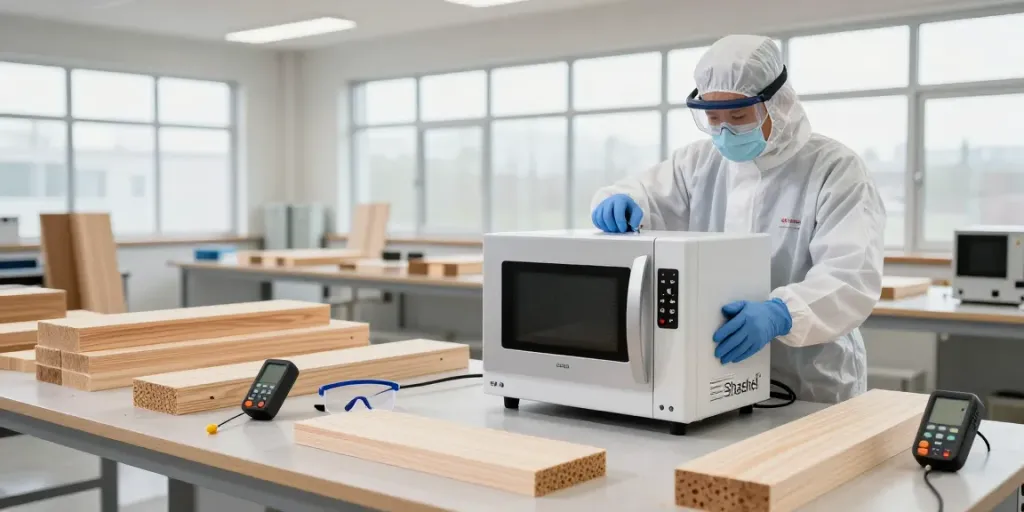
In recent years, the SHASHEL® brand has emerged as a leading solution for woodworm treatment through microwave technology. This innovative method offers an eco-friendly and highly effective option, eliminating pests without the need for harmful chemicals. By using targeted microwave energy, SHASHEL® devices penetrate wood, killing pests at all life stages, including eggs and larvae, thus preventing future infestations.
How SHASHEL® Microwaves Work to Eliminate Woodworms
SHASHEL® microwaves work by emitting specific frequencies that are absorbed by the water content in wood. This absorption generates heat, effectively raising the temperature to levels that are lethal for wood-boring insects. The microwave treatment process is quick, often taking only a few minutes to effectively neutralize an infestation, making it a compelling choice for both residential and commercial applications.
Benefits of Using SHASHEL® for Pest Control
- Speed: The treatment process is remarkably swift, often completed within a matter of minutes.
- Eco-Friendly: Unlike chemical treatments, SHASHEL® uses no toxic substances, making it safe for humans and pets.
- Comprehensive Coverage: The technology ensures that all life stages of wood-boring insects are targeted.
- Ease of Use: The SHASHEL® devices are designed to be user-friendly, requiring minimal training to operate effectively.
- No Structural Damage: Because the treatment is non-invasive, it does not compromise the wood's structural integrity.
Comparing SHASHEL® with Traditional Pest Control Methods
When comparing SHASHEL® technology with traditional pest control methods, several key differences emerge. Traditional methods often rely on chemical pesticides, which pose health risks and can leave harmful residues. In contrast, SHASHEL® offers a chemical-free solution that is effective and safe. Moreover, traditional treatments tend to be more time-consuming and may require multiple applications, while SHASHEL® provides a one-time treatment that delivers lasting results.
Step-by-Step Guide to Using SHASHEL® Equipment
Utilizing SHASHEL® equipment for woodworm treatment involves a few simple steps that ensure maximum efficacy. Proper preparation and following the operational guidelines are essential for achieving the best results.
Preparing Your Space for Effective Treatment
Before using the SHASHEL® device, it is vital to prepare the area properly. This preparation includes removing any obstacles around the wooden structures, ensuring that the equipment can access all affected areas easily. Additionally, one should ensure that the wood is dry, as moisture can interfere with the efficiency of the microwave treatment.
Operating the SHASHEL® Device Safely and Efficiently
Operating the SHASHEL® device is straightforward. First, ensure that the device's settings are configured according to the manufacturer's instructions. Once set up, position the device over the affected wooden items, ensuring optimal coverage. The microwave treatment typically lasts a few minutes, during which it is crucial to monitor the process to ensure safety and effectiveness.
Post-Treatment Care and Maintenance of Treated Wood
After treatment, proper care is essential to maintain the integrity of the wood and prevent future infestations. It is advisable to regularly inspect wooden structures for any signs of returning pests. Additionally, applying protective coatings can further safeguard treated wood against future damage. Keeping the environment dry and well-ventilated is also beneficial in discouraging wood-boring insects.
Case Studies: Success Stories with SHASHEL®
Numerous case studies have demonstrated the effectiveness of SHASHEL® technology across various applications, showcasing its versatility and reliability in combating woodworm infestations.
Residential Applications: Transforming Homes
In residential settings, SHASHEL® has been successfully employed to treat infestations in floorboards, furniture, and wooden fixtures. Homeowners have reported remarkable results, with infestations eliminated after a single treatment and minimal disruption to their living spaces. This method not only restores the integrity of the home but also provides peace of mind for residents.
Commercial Applications: Protecting Wooden Structures
Commercial applications of SHASHEL® have proven invaluable, especially for businesses that rely on the structural soundness of wooden frameworks, such as hotels and restaurants. Implementing SHASHEL® technology has allowed these establishments to protect their investments while adhering to safety and health regulations, all without resorting to harmful chemicals.
Long-Term Benefits and Customer Satisfaction
Feedback from users of SHASHEL® technology consistently highlights high levels of satisfaction due to the efficiency and effectiveness of the treatment process. Long-term benefits include prevention of future infestations, improved wood quality, and enhanced property value, resulting in a positive return on investment for both residential and commercial users.
Future Trends in Pest Control and Wood Preservation
The landscape of pest control and wood preservation continues to evolve, with technological advancements shaping the future of the industry. As awareness of environmental concerns grows, eco-friendly solutions like SHASHEL® are becoming increasingly prominent.
Emerging Technologies and Innovations for 2026
Looking ahead to 2026, we can expect further innovations in pest control methods. Technologies that integrate artificial intelligence for pest detection and treatment optimization are on the horizon, which may enhance the efficacy of microwave treatments and other non-chemical solutions.
Predictions for Eco-Friendly Pest Control
As sustainability becomes a priority, eco-friendly pest control solutions will likely dominate the market. Techniques that reduce environmental impact while providing effective pest management, such as the SHASHEL® microwave technology, will gain even greater acceptance among consumers and businesses.
Preparing for the Future: Best Practices for Homeowners
Homeowners can prepare for the future of pest control by adopting proactive measures. Regular inspections and maintenance of wooden structures will help detect early signs of infestations. Additionally, educating oneself about new technologies and best practices, like those offered by SHASHEL®, can empower homeowners to protect their properties effectively and sustainably.
What Are Common Signs of Woodworm Infestations?
Common signs of woodworm infestations include small round exit holes in wood, powdery frass, and weakened or hollow-sounding wood. Being vigilant about these signs can help detect infestations early, allowing for prompt treatment and minimizing damage.
How Can I Identify Effective Pest Control Methods?
To identify effective pest control methods, consider factors such as safety, efficiency, and ecological impact. Non-chemical methods, such as those offered by SHASHEL®, are often preferable, as they are safe for indoor environments and effectively target pests without leaving harmful residues.
What Should I Do If I Suspect a Woodworm Problem?
If you suspect a woodworm problem, the first step is to conduct a thorough inspection of affected areas. This may include checking hidden spaces and using tools like a moisture meter to assess the condition of the wood. If an infestation is confirmed, consider employing advanced solutions like SHASHEL® for effective treatment.
How to Maintain Treated Wood to Prevent Future Infestations?
To maintain treated wood and prevent future infestations, ensure proper ventilation in the area and keep humidity levels low to deter wood-boring insects. Regular maintenance checks and applying protective finishes can also help sustain the integrity of the wood.
Is SHASHEL® Safe for Use in Residential Areas?
Yes, SHASHEL® is designed to be safe for use in residential areas. The technology is chemical-free and poses no risk to humans or pets, making it an excellent choice for effective pest management in homes.