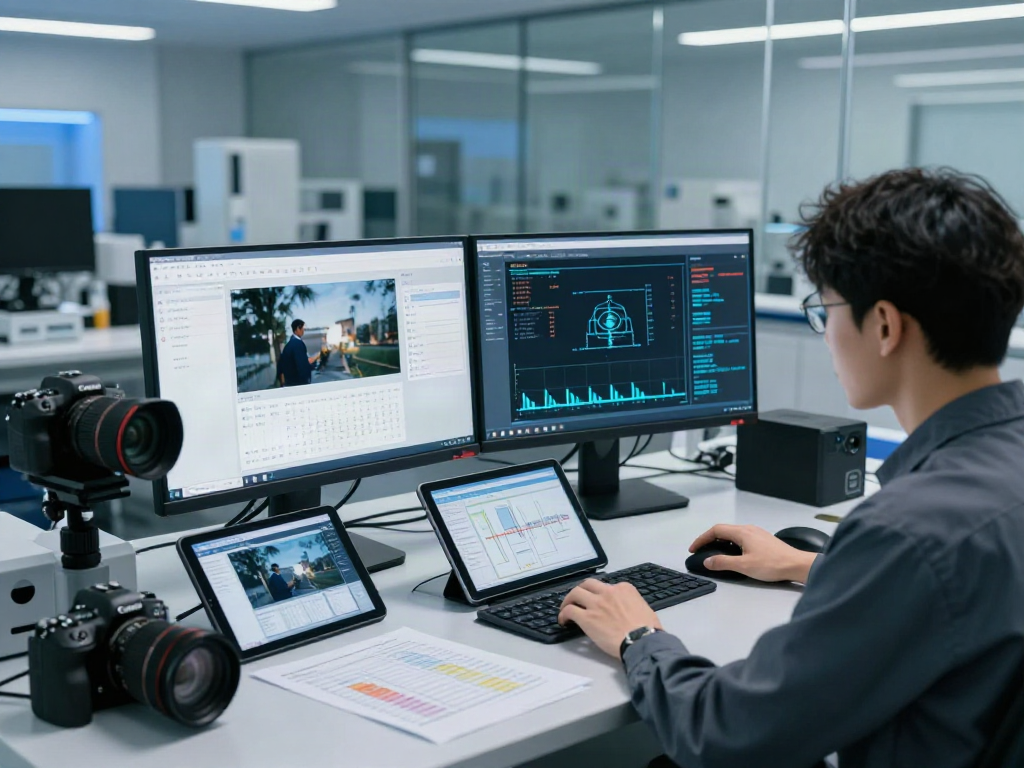
Understanding AI-Generated Image Detection
In today's digital landscape, the proliferation of AI-generated images presents both exciting opportunities and significant challenges. AI-generated Image Detection is at the forefront of addressing concerns around authenticity and misinformation. As businesses and individuals become increasingly reliant on visual content, understanding the mechanisms of image detection becomes essential for maintaining trust and integrity across various platforms.
With the rise of deep learning technologies, tools designed to identify images created by AI generators are more important than ever. AI-Generated Image Detection provides a critical line of defense against the potential misuse of synthetic media.
What is AI-Generated Image Detection?
AI-Generated Image Detection refers to the methods and technologies used to identify images that have been created or manipulated by artificial intelligence. This includes a range of tools that can distinguish between photos taken by humans and those generated by algorithms such as GANs (Generative Adversarial Networks). The ability to detect these images has become crucial in various fields, including journalism, security, and digital forensics.
The Importance of AI-Generated Image Detection in Forensics
In the field of forensics, the ability to detect AI-generated images can significantly impact investigations. Law enforcement agencies utilize image detection technology to authenticate evidence and confirm the validity of visual data. As more criminals exploit these technologies to create convincing fakes, forensic experts are increasingly turning to sophisticated detection methods to ensure justice is served.
Common Misconceptions About AI Image Detection
Despite its growing importance, there are several misconceptions surrounding AI-generated image detection. One prevalent myth is that such technology is infallible; however, detection systems can sometimes produce false positives or negatives. Understanding the limitations of these tools is vital for both users and developers. Additionally, some may believe that all AI-generated images can be easily identified, but the complexity and sophistication of new AI models mean this is not always the case.
Challenges in Identifying AI-Generated Images
Obstacles in Detection Accuracy
Achieving high accuracy in AI-generated image detection is fraught with challenges. Algorithms must continuously adapt to new techniques employed by image generators, which evolve rapidly. Additionally, the sheer volume of images generated today poses a logistical challenge for detection systems, requiring them to process and analyze data at unprecedented speeds.
Common Techniques Used by AI Image Generators
AI image generators use various techniques to create hyper-realistic images. This includes methods such as style transfer, where one image's style is applied to another, and interpolation between images to create new visuals. Understanding these techniques is crucial for developing effective detection methods, as they inform the design of algorithms that can accurately identify synthetic content.
The Evolution of Deepfake Technology and Its Implications
Deepfake technology represents a significant evolution in the capabilities of AI-generated imagery. Initially designed for entertainment, these tools have seen misuse in disinformation campaigns and identity theft. The implications are far-reaching, extending into politics, personal privacy, and social trust. This makes the role of detection technology even more critical in safeguarding against the malicious use of deepfakes.
Best Practices for Effective AI Image Detection
Utilizing Software Tools for Image Analysis
To counter the increasing sophistication of AI-generated images, leveraging advanced software tools for analysis is paramount. Tools that incorporate machine learning can enhance detection capabilities by learning from new data and adapting to evolving threats. Organizations should regularly upgrade their detection technologies to ensure they remain effective against the latest generation of image manipulation techniques.
Manual vs. Automated Detection Methods
Both manual and automated detection methods have their advantages and disadvantages. Manual methods can provide in-depth analysis and the human intuition needed to spot subtle manipulations. However, they can be time-consuming and may not scale effectively. On the other hand, automated methods can process large volumes of images quickly but might miss nuances that a trained human eye could catch. A hybrid approach combining both methods is often the most effective solution.
Significance of Metadata in Image Verification
Metadata plays a crucial role in image verification, providing valuable context about the origin and modifications of an image. Details such as the time, date, and device used to capture the image are critical pieces of information. Effective image detection tools should not only analyze the visual content but also assess the metadata to provide a comprehensive evaluation of authenticity.
Real-World Applications of AI-Generated Image Detection
Case Studies in Law Enforcement
Various law enforcement agencies have successfully utilized AI-generated image detection in high-profile cases, ensuring the integrity of evidence presented in court. For instance, the ability to discern between real and manipulated images has assisted in preventing wrongful convictions. Continuous advancements in detection technologies are expected to enhance these capabilities further, leading to more accurate results in legal proceedings.
Role in Media and Content Verification
Media organizations are increasingly employing AI-generated image detection to combat misinformation. By verifying the authenticity of images before publication, news outlets can maintain credibility and trust with their audience. This has also led to the development of collaborative efforts between tech companies and media organizations to create robust verification frameworks that can handle the influx of digital content.
Impacts on Social Media Platforms and User Trust
The role of AI-generated image detection is particularly significant on social media platforms, where the rapid spread of misinformation can have serious repercussions. Implementing detection technologies can help platforms identify and flag potentially fake images, thereby protecting users and enhancing trust. As platforms evolve, integrating these tools will become crucial for maintaining a safe online environment.
The Future of AI-Generated Image Detection in 2026
Emerging Trends in Digital Forensics
As technology continues to advance, several emerging trends are shaping the future of digital forensics, particularly in AI-generated image detection. The integration of AI within detection systems will likely lead to more sophisticated algorithms capable of adapting in real-time to new types of manipulations. Moreover, we can expect an increase in collaboration among industries to standardize detection protocols.
AI Improvements in Detection Techniques
With the rapid development of AI technologies, detection techniques are expected to improve significantly. Enhanced machine learning algorithms can analyze patterns that humans may overlook, potentially increasing the accuracy of distinguishing real images from AI-generated counterparts. Research and development in this field will play a critical role in combating the misuse of AI-generated imagery.
Potential Regulatory Developments and Industry Standards
As concerns over AI-generated content increase, regulatory bodies may introduce standards to ensure the ethical use of AI technologies. Establishing guidelines for image detection can help foster accountability among tech companies and promote responsible AI usage. This may also lead to a demand for more transparency regarding how AI-generated images are disclosed to the public.
What are the latest trends in AI-Generated Image Detection?
Continued investment in AI detection methods is leading to the refinement of techniques that can more accurately identify AI-generated images. New trends include the use of blockchain for image provenance tracking and the development of community-based verification systems, which can enhance trust and transparency in digital content.
How can organizations implement AI image detection?
Implementing AI image detection in organizations involves integrating advanced detection software with existing workflows. Training staff to understand the significance of these tools and how to use them effectively is essential. Collaborating with technology providers can facilitate smoother implementation while ensuring that the chosen solution aligns with specific organizational needs.
What tools are essential for effective AI detection?
Organizations seeking to bolster their AI-generated image detection capabilities should consider tools that utilize machine learning algorithms, have robust metadata analysis features, and offer user-friendly interfaces. Essential tools should also provide ongoing updates to adapt to new AI-generated threats and include comprehensive support resources for users.